
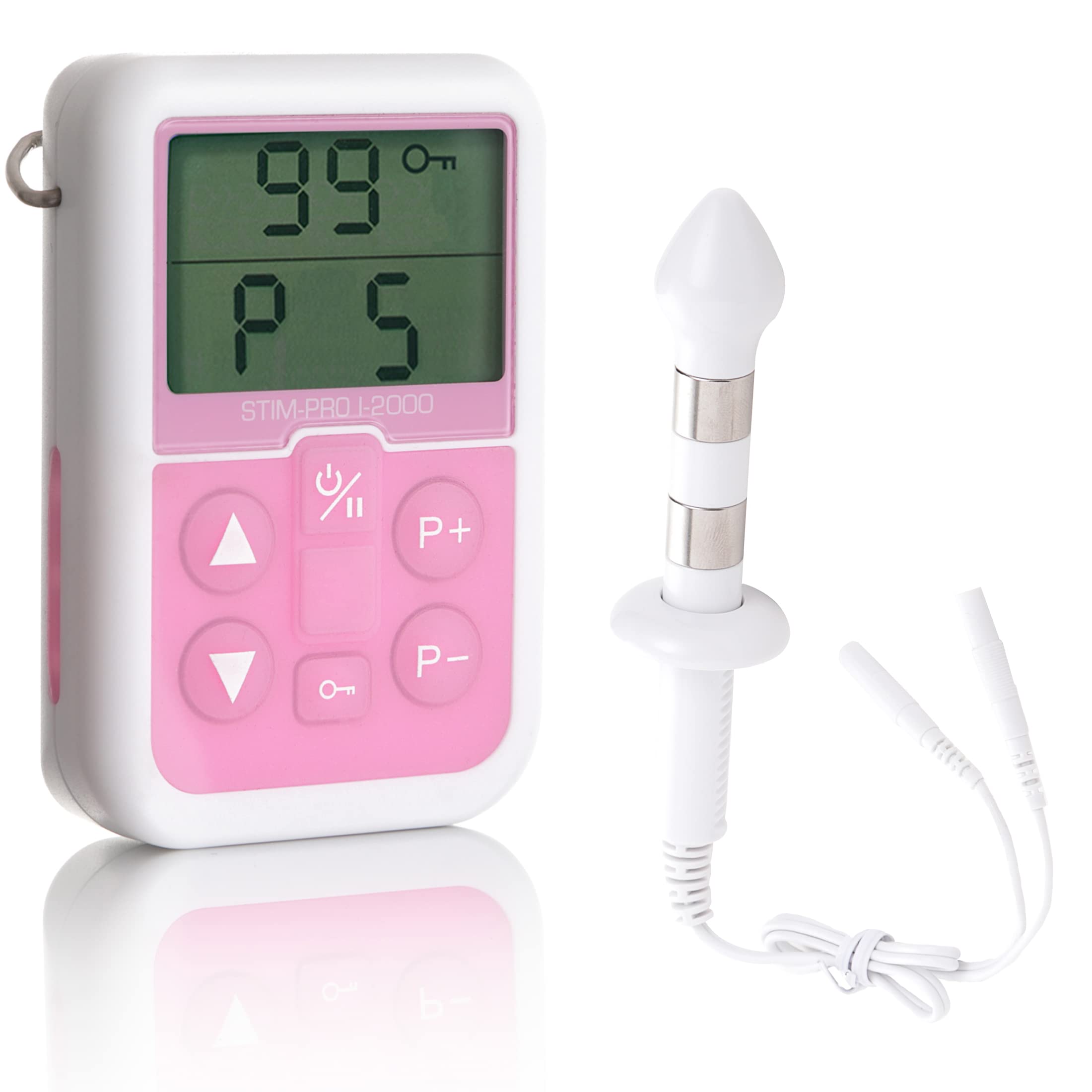
Pelvic floor health plays a vital role in overall physical wellbeing, influencing bladder control, bowel function, core stability, sexual health, and daily comfort. Although much attention is often given to strengthening the pelvic floor, many people experience the opposite problem. Instead of weak muscles, they develop pelvic floor muscles that are excessively tight, overactive, or unable to relax properly. This muscle tension can contribute to chronic pelvic pain, urinary symptoms, painful intercourse, constipation, and reduced quality of life.
A Flexible Pelvic Wand has become an important therapeutic tool in conservative pelvic floor rehabilitation. Designed to reach deeper pelvic muscles comfortably, it helps release muscle tension, improve flexibility, and support recovery when used correctly as part of a professionally guided treatment program. This article explains how a Flexible Pelvic Wand works, its advantages, therapeutic applications, and how it supports long term pelvic floor relaxation and recovery.
Understanding Pelvic Floor Muscle Tension
The pelvic floor consists of several muscles, ligaments, and connective tissues that support the bladder, uterus, bowel, and other pelvic organs. These muscles constantly work to maintain posture, control bladder and bowel function, and contribute to normal movement.
Sometimes the pelvic floor becomes overly tight rather than weak. This excessive muscle activity may develop after childbirth, pelvic surgery, chronic stress, repeated infections, injury, prolonged sitting, athletic overtraining, or chronic pain conditions.
When muscles remain in a constant state of tension, they lose their ability to relax normally. Trigger points may develop within the muscle fibers, leading to pain, pressure, muscle spasms, and difficulty performing everyday activities comfortably.
Pelvic floor rehabilitation focuses on restoring normal muscle balance through relaxation techniques, manual therapy, breathing exercises, and individualized treatment plans.
What Is a Flexible Pelvic Wand
A Flexible Pelvic Wand is a therapeutic device designed to assist internal pelvic floor muscle massage and trigger point release. It is commonly manufactured from smooth medical grade silicone that provides comfort during therapeutic use.
Unlike rigid therapy tools, the flexible design allows the wand to be gently adjusted to better match individual anatomy. This flexibility makes it easier to reach deeper muscles while maintaining precise control during treatment.
The wand is designed to assist muscle relaxation rather than strengthen muscles directly. It supports conservative rehabilitation by helping reduce excessive muscle tension that contributes to pain and dysfunction.
How the Flexible Pelvic Wand Works
Overactive pelvic floor muscles often contain small areas of persistent tension known as trigger points. These sensitive areas may produce local pain or discomfort that spreads to surrounding regions.
The Flexible Pelvic Wand allows gentle, sustained pressure to be applied directly to these trigger points. Maintaining comfortable pressure encourages the muscles to gradually relax and release excessive tension.
As muscles become less restricted, circulation may improve within the tissues. Better blood flow supports oxygen delivery and natural healing while reducing muscle stiffness.
Regular therapy may help restore normal muscle flexibility, improve coordination, and reduce chronic discomfort when combined with a comprehensive rehabilitation program.
Conditions That May Benefit From Pelvic Wand Therapy
A Flexible Pelvic Wand may be incorporated into rehabilitation programs for a variety of pelvic floor conditions.
Individuals with chronic pelvic pain often require techniques that reduce muscle overactivity rather than increase muscle strength.
Women experiencing discomfort during intimacy caused by excessive pelvic muscle tension may benefit from internal trigger point therapy performed under professional guidance.
Patients recovering after childbirth or pelvic surgery sometimes require gentle soft tissue mobilization to improve muscle flexibility during recovery.
Pelvic floor dysfunction associated with bladder urgency, bowel dysfunction, or pelvic pressure may also improve when excessive muscle tightness is addressed alongside other rehabilitation techniques.
Treatment recommendations should always be individualized after professional evaluation.
Advantages of Using a Flexible Pelvic Wand
One of the greatest advantages of a Flexible Pelvic Wand is its ability to reach deep pelvic floor muscles that may be difficult to access manually.
The adjustable shape allows treatment to be customized according to individual anatomy and therapeutic goals.
Its smooth medical grade silicone surface provides comfort while minimizing irritation during therapy.
The device supports targeted trigger point release, helping reduce localized muscle tension.
Improved muscle relaxation may contribute to reduced pelvic pain and greater overall comfort.
The wand allows consistent home therapy when recommended by a qualified healthcare provider.
Regular treatment may improve muscle flexibility and support healthy pelvic movement. The information provided in https://www.pelvicare.eu/en/menu/pregnancy-birth-postpartum-701.html supports women during pregnancy, childbirth, and postpartum recovery.
The ergonomic design promotes better control during internal therapy sessions.
Its flexibility reduces awkward hand positioning while improving access to difficult areas.
The device complements physiotherapy rather than replacing professional care.
Importance of Pelvic Floor Relaxation
Many rehabilitation programs focus heavily on strengthening exercises, but strengthening muscles that are already tight may actually worsen symptoms.
Healthy pelvic floor muscles must be able to contract and relax efficiently. If relaxation is limited, muscle coordination becomes impaired, leading to discomfort and reduced function.
Pelvic floor relaxation helps restore normal movement patterns, improve circulation, decrease muscle guarding, and reduce pressure on surrounding nerves.
Relaxation techniques often become the first stage of rehabilitation before strengthening exercises are introduced when appropriate.
The Flexible Pelvic Wand supports this process by assisting gradual muscle release through gentle manual therapy.
Combining the Pelvic Wand With Other Rehabilitation Techniques
The Flexible Pelvic Wand works most effectively when included within a comprehensive rehabilitation program.
Pelvic health physiotherapists often combine internal trigger point therapy with diaphragmatic breathing exercises that encourage natural pelvic floor relaxation.
Stretching exercises improve flexibility throughout the hips, lower back, and pelvis, reducing stress on pelvic muscles.
Posture correction helps decrease unnecessary muscle tension during standing, walking, and sitting.
Core stabilization exercises improve coordination between the abdominal muscles and pelvic floor.
Lifestyle modifications such as improving hydration, managing constipation, avoiding excessive straining, and reducing prolonged sitting also contribute to successful rehabilitation.
Together these approaches address both the symptoms and the underlying factors contributing to pelvic floor dysfunction.
Proper Use of a Flexible Pelvic Wand
Safe and effective therapy begins with professional instruction whenever possible.
Before each session, hands and the device should be thoroughly cleaned according to the manufacturer’s recommendations.
A suitable water based lubricant should be applied to improve comfort during insertion.
The wand should be inserted gently without forcing movement or creating discomfort.
Once positioned, light sustained pressure can be applied to muscle areas identified during professional assessment.
Pressure should remain comfortable throughout treatment. Excessive force should always be avoided because it may increase muscle guarding instead of promoting relaxation.
Following each therapy session, the device should be cleaned carefully and stored according to hygiene recommendations.
Safety Considerations
Although a Flexible Pelvic Wand is designed for therapeutic use, it is not suitable for everyone.
Individuals with active pelvic infections, unexplained bleeding, severe pain of unknown origin, recent surgery without medical clearance, or certain gynecological conditions should seek professional evaluation before beginning internal therapy.
Pregnant women should consult their healthcare provider before using any internal pelvic therapy device.
Patients experiencing worsening pain, bleeding, or unusual symptoms should discontinue therapy and seek medical advice immediately.
Following professional guidance ensures treatment remains both safe and effective.
Long Term Recovery Through Consistent Therapy
Pelvic floor recovery usually occurs gradually rather than immediately. Muscles that have remained tense for months or years often require ongoing rehabilitation to restore normal function.
Consistent treatment, regular physiotherapy appointments, home exercises, breathing techniques, and healthy lifestyle habits all contribute to successful long term recovery.
Many patients experience gradual improvements in pelvic comfort, bladder function, bowel function, flexibility, posture, and overall quality of life.
Maintaining regular communication with healthcare providers allows rehabilitation programs to be adjusted according to individual progress and changing treatment needs.
When Professional Guidance Is Essential
Although home therapy tools provide valuable support, they should never replace proper medical assessment.
Pelvic pain and dysfunction may result from infections, endometriosis, neurological disorders, pelvic organ prolapse, or other medical conditions that require specialized treatment.
A pelvic health physiotherapist, urogynecologist, gynecologist, or other qualified healthcare professional can determine whether muscle tension is the primary cause of symptoms and whether a Flexible Pelvic Wand is appropriate.
Professional guidance ensures that therapy targets the correct muscles while reducing the risk of improper technique.
A Flexible Pelvic Wand is an effective therapeutic tool that supports pelvic floor relaxation and recovery by helping release muscle tension, reduce trigger points, and improve flexibility within the pelvic floor. Its adjustable design, medical grade silicone construction, and ability to reach deep pelvic muscles make it a valuable addition to conservative pelvic rehabilitation programs.
When combined with professional assessment, individualized physiotherapy, breathing exercises, posture correction, and healthy lifestyle habits, the Flexible Pelvic Wand can contribute to long term improvements in pelvic comfort, muscle coordination, and overall quality of life. Used safely and consistently, it offers a practical, non surgical approach to managing pelvic floor muscle dysfunction while supporting healthy recovery and improved daily function.